MyAdviceWriter ...

I've been thinking a lot lately about AI and what it means for the future of software development. There are people who use AI, and there are people who build AI. But there's another group that I think is going to be much larger, and potentially more interesting. These are the people who use AI to build software systems.
For years we've relied on specialized software engineers to translate business requirements into working applications. We gather requirements, design the solution, write code, test, deploy, and maintain it. Along the way we've developed entire professions around making sure these systems are secure, reliable, scalable, and able to work with the other systems in our enterprise.
Now AI is changing who can build those applications.
A business analyst, accountant, or operations manager can describe what they need to an AI tool and have it generate something that looks and behaves like an application. They may not understand C#, SQL, JavaScript, or how to build an API, but they understand the business problem they're trying to solve. And in many cases that's enough to get started.
Is this something fundamentally new? Or have we seen this kind of transformation before?
I think we have. And to understand where we're going, it's worth looking back at how we got here.
Remember When We Needed a DBA?
Back in the 1990s, relational databases were becoming the backbone of enterprise applications. SQL Server, Oracle, DB2, and other database engines gave us powerful ways to store, organize, and retrieve information. But working with those systems required specialized knowledge. We needed people who understood indexes, transactions, stored procedures, backups, security, and how to keep the database running.
Enter the Database Administrator, or DBA.
As enterprises grew, I would argue that the responsibilities quickly evolved into two important branches, one that focused on the database engine performance and the other on the application data. Where does customer information live? Which system owns it? What relationships exist between orders, customers, invoices, and products? How do we ensure data integrity when multiple applications need the same information?
This second group became increasingly concerned with data architecture, business meaning, and establishing a trusted source of truth. Both roles were important, but they were solving different problems. One made sure the database worked, the other made sure the information could be trusted.
Then Developers Started Taking Control
But working with DBA's acted as a brake as well, slowing down things and asking for additional review and approval before carving out the data structures much like a sculptor chisels stone. Does the data already exist? Who else uses it? Who owns it and ensure that a change in one place is reflected in all the others? The governance of the data was owned and managed by the people who owned the engine that stored it.
But as our tools and frameworks evolved, developers became more capable of working directly with databases the value of that central governance comes into question. Do we really need this? As the developer tools and languages evolved it became easier to work with data, with things like object-relational mapping, code-first development, and frameworks that could generate database schemas from application models.
Instead of sitting down with a database designer to define every table, column, and relationship, we could define our classes in code and let the framework handle much of the storage implementation. That was a pretty big deal!
With NoSQL, document databases, and cloud-native architectures we started questioning whether every application really needed to share the same relational database. Microservices took that idea further. Rather than having one enormous SQL Server containing data for every application, we could design smaller services that own their own data. Each service could choose the storage technology that made sense for its workload.
An order service might use SQL. A product catalog might use a document database. An event-processing service might use a distributed key-value store.
We were no longer limited by the size of a single database engine. We could scale services independently, distribute workloads, and let development teams make decisions closer to the problems they were solving. Of course, code-first, NoSQL, and microservices weren't all part of one coordinated evolution. They solved different problems and often worked together. But they contributed to a common shift.
Developers were gaining more control over how their applications stored and managed data.
And that created some interesting challenges.
Just Because You Can Doesn't Mean You Should
Think about what happened as applications started owning their own data. The customer service has a customer record. The billing service has information about that same customer. The shipping service needs an address, and the support system maintains information about customer interactions. Each service might be perfectly designed for the job it performs.
But what happens when the customer changes their address? Which system knows first? Which one is authoritative? How do the others find out? Or what happens when Finance and Sales have different definitions of an active customer?
Now we have a problem that isn't about SQL Server performance, indexing, or even which database technology we selected. It's about how our systems work together. We didn't eliminate the need for data architecture by making it easier for developers to create databases.
If anything, we made the architectural questions more important. We moved the responsibility for storing data closer to the application, but the enterprise still needed to understand what that data meant and how it related to everything else.
I think we're about to experience a very similar transformation with AI.
AI Is Doing for Applications What Code-First Did for Data
Consider a business user who needs an application to manage a departmental workflow. Historically, they might create a spreadsheet, build an Access database, use a low-code platform, or submit a request to IT. If the requirements were complex enough, a developer would get involved to build the application.
Today, that same business user can sit down with an AI development tool and describe what they want. "I need an application to track customer requests, assign them to team members, notify people when something is overdue, and provide a dashboard showing what's happening." AI can help create the user interface, define the data structures, write the business logic, and connect the pieces together.
With the right tools and deployment environment, that user may be able to produce something useful without writing much code at all. That's exciting! Think of all the ideas that never got built because there wasn't enough time, budget, or development capacity. We're lowering the barrier to creating software.
But here's where my database analogy comes back.
Just because someone can create an application doesn't mean they understand how that application fits into the enterprise.
Does it need its own customer database? Should it use information from the CRM system? Where do the business rules come from? Who is responsible for keeping the information accurate? And what happens when someone in another department asks AI to build something that does almost the same thing?
Are We About to Repeat an Old Mistake?
I've worked with organizations where different departments had their own databases, applications, spreadsheets, and reporting systems. Each solved a real business problem. Each had a reason for existing. But over time, the organization struggled to understand which information was correct, which system owned a particular business process, and how changes in one application affected everything else.
We spent enormous amounts of time integrating systems that were never designed to work together. Microservices and cloud-native architectures gave us better ways to distribute those systems, but they didn't automatically solve the enterprise architecture problem.
Now imagine what happens when creating applications becomes dramatically easier. Instead of needing a team of developers to create a departmental system, a business user can ask AI to build one.
And another.
And another.
We could end up with hundreds or thousands of independently created applications that work perfectly well on their own but have very little understanding of each other. The technology may be new, but the problem sounds awfully familiar.
So Where Does That Leave the Software Engineer?
I don't believe AI means we no longer need software engineers. I think it means we need to reconsider what we're asking them to do. The database evolution didn't eliminate the need for specialized expertise. It changed where that expertise was most valuable. As developers took on more responsibility for creating and managing application data, we still needed people who understood performance, integrity, ownership, and the relationships between systems.
Now AI is giving more people the ability to create software.
But creating an application and engineering a system that belongs in an enterprise are not necessarily the same thing. Maybe the biggest change ahead isn't how we write code. Maybe it's how we ensure that all the independently created applications and services actually work together.
And that raises some interesting questions.
-
When anyone can create an application, who decides whether we need another system?
-
Who owns the data, the business rules, and the relationships between systems?
-
If AI builds an application, who is responsible for maintaining it when the business changes?
-
And if writing code is no longer the defining skill of a software engineer, what is?
I think the answers will have a lot to do with the next evolution of enterprise software architecture.
In the next post, we'll look at what happens when everyone becomes a software builder, and why making it easier to create applications might make enterprise architecture more important than ever.
What do you think? Are we heading toward another generation of disconnected departmental applications, or will AI give us a better way to build systems that work together?
I'd love to hear what you're seeing in your own organizations.
- Mike

TechMasters has always been about helping people find their voice, develop their skills, and have the confidence to share their ideas. This month, TechMasters alumnus and former club president Glenn Leifheit took those skills to one of the most recognized speaking stages in the world: TEDx.
Glenn recently spoke at TEDx Parrish Street 2026, sharing his message about mental resilience and the power of “mind workouts.” Drawing on his experiences in technology, leadership, mentoring, and personal growth, Glenn challenged his audience to think about how we can intentionally exercise our minds to become more resilient.
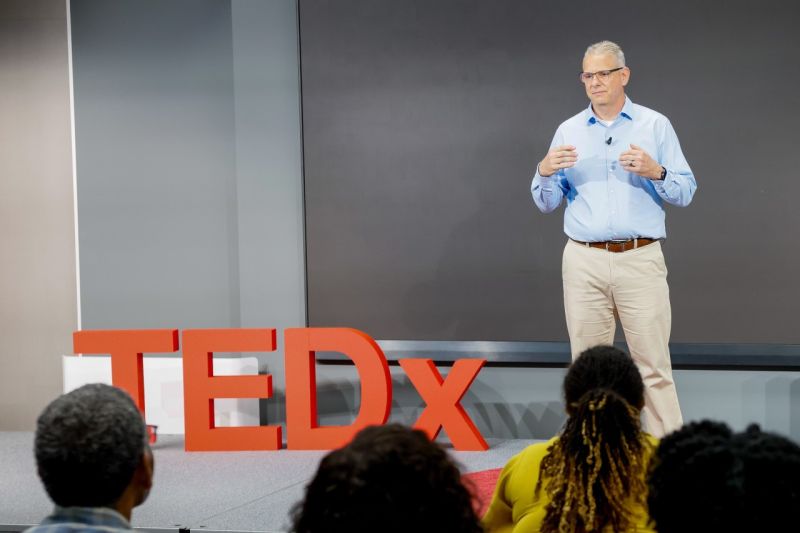
For those of us who knew Glenn during his years with TechMasters, seeing him on the TEDx stage is particularly exciting. Glenn served as President of TechMasters and has remained an advocate for communication, mentorship, and personal growth throughout his career. He may also be one of the first TechMasters alumni to take the TEDx stage — an accomplishment worth celebrating!
Toastmasters is about much more than learning how to give a speech. It's about finding your voice and gaining the confidence to use it. Glenn's journey is a great example of where that can lead.
Congratulations, Glenn, from your friends at TechMasters. TechMasters for the win!
Products and services do not sell themselves. People do.
So it is with Techmasters, a Toastmasters club. The club occasionally take opportunities to “sell” our group to likely prospects.
Our “prospects” were attendees of Minnebar on May 2. As billed on Minnebar’s website, it is the big day to join 1,400+ technologists, builders, designers, founders, and curious minds at Best Buy headquarters in Richfield, MN for the largest technology unconference in the country. It was founded in 2006. An unconference(or BarCamp) is a user-generated conference that is participant-led. There are no keynote speakers or formal workshops, and all sessions are led by people from the tech and business communities.
Our “sell” of Techmasters involved holding an abbreviated Toastmasters meeting that was open to Minnebar attendees. The main portions of the meeting were table topics, a prepared speech, and evaluations. Table topics are impromptu speaking for one to two minutes.
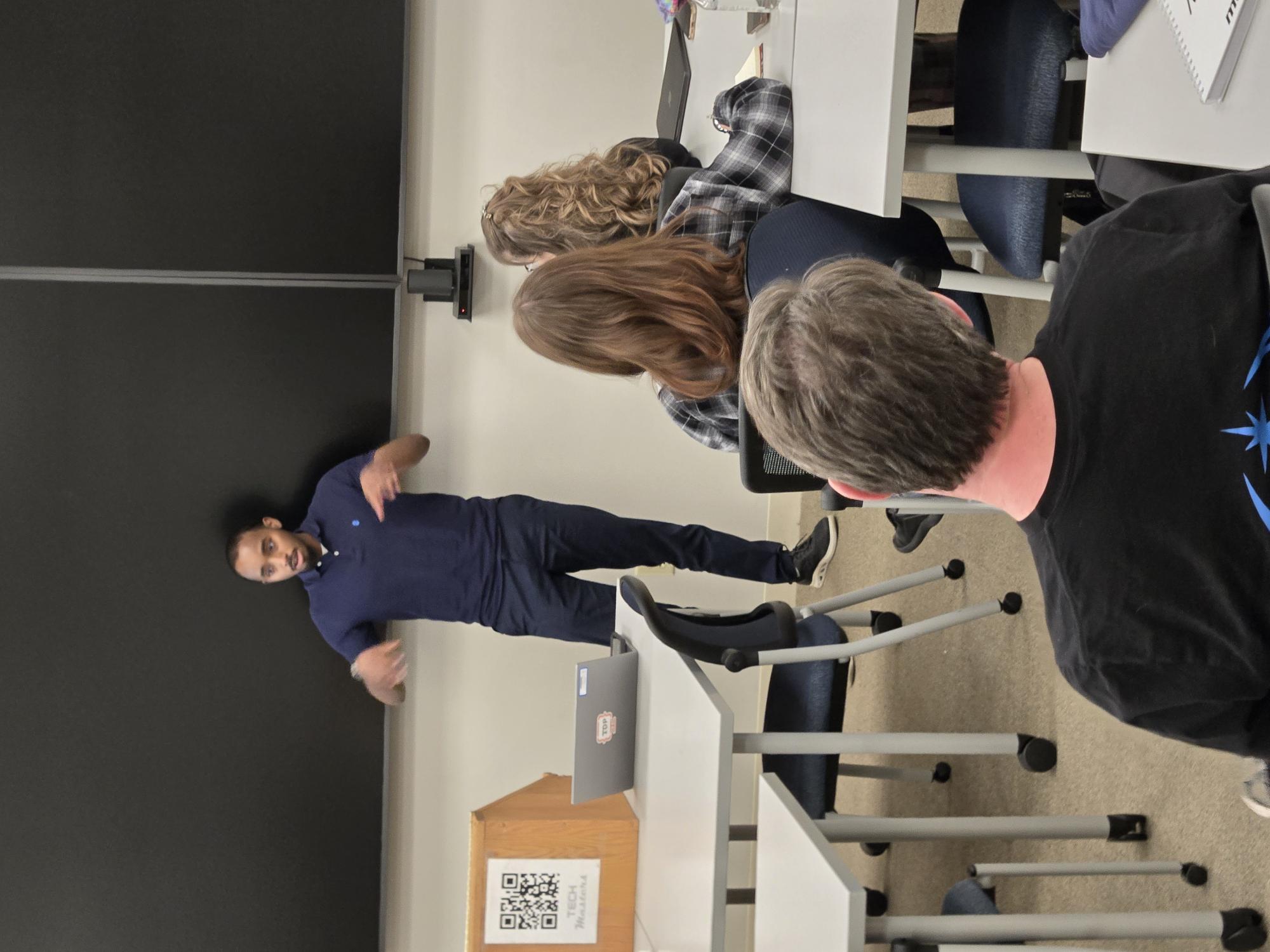
Khalid Mohamoud of Techmasters gave the prepared speech titled “To Speak Good”. Khalid chose to become a member of Techmasters after browsing through online info on the 50-plus Toastmasters clubs in the Twin Cities metro area. “I discovered my way of speaking at Techmasters”, states Khalid. “In the business world, a person is so busy that there is not always time to concentrate on improving communication”. At Techmasters, Khalid can concentrate on just that.
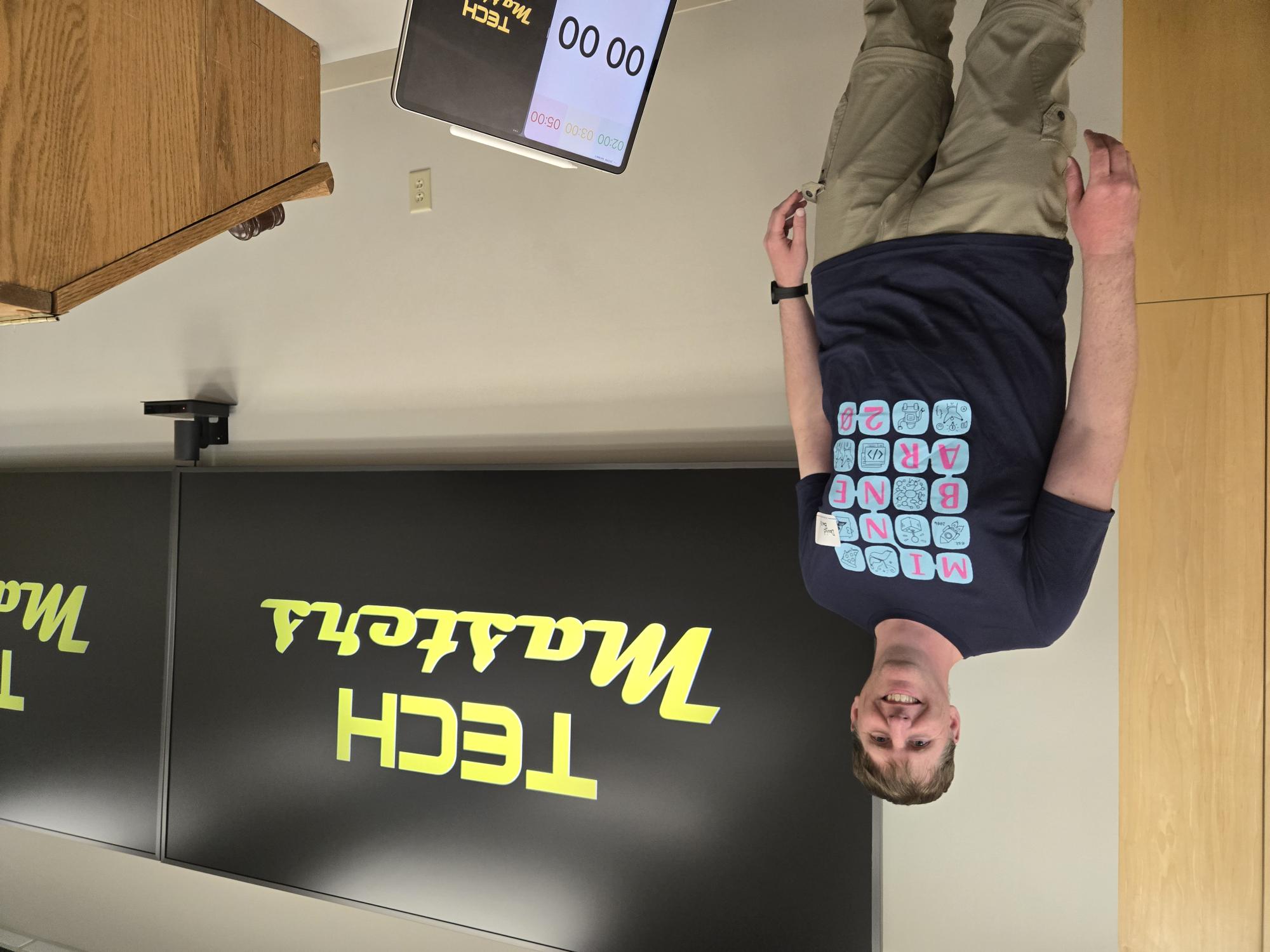
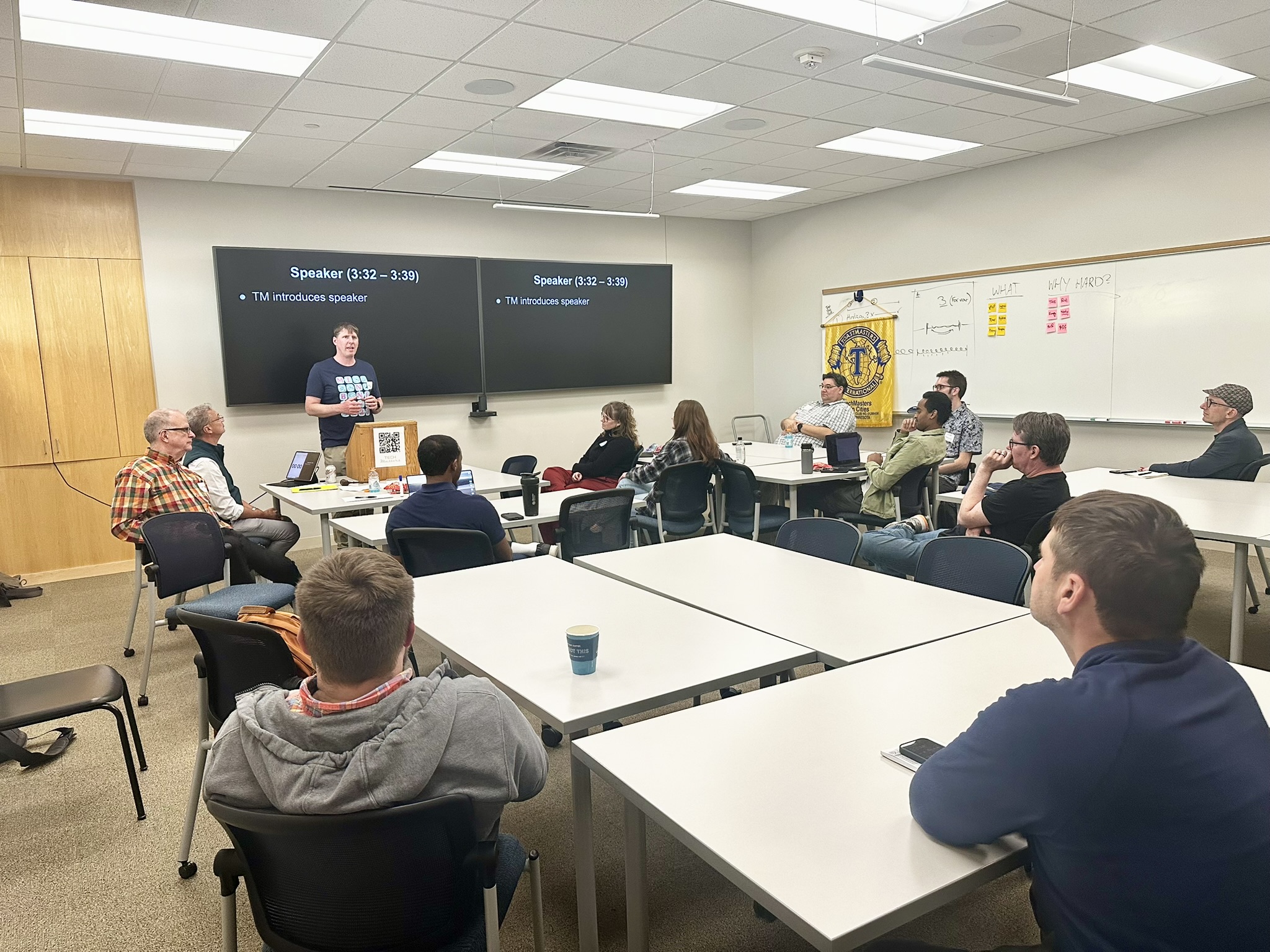
Today’s Relaxation meeting was all about the theme “Serenity Now”—a little calm, a little chaos, and a lot of fun. We had 16 people join in, with Loras leading a website review and the team rolling through updates from David, Kyle, Brad, Tony, and Benko to keep things moving and productive.
Then things got creative fast. We heard everything from Michelle’s invisible Disney adventure to Hazel bending time, Mitch going full secret agent, and Khalid channeling Reality TV / Mr. Beast energy. Nathaniel went big with singularity vibes, Sam took us into the Inferno Dallol Depression, and Darryl brought an icebreaker on zig-zag careers. Shoutout to Khalid as the Wise Old Owl, Sam & Darryl for the Word Picture, and Alicia as Better Evaluator—proof that serenity doesn’t always mean quiet… sometimes it means laughing together.
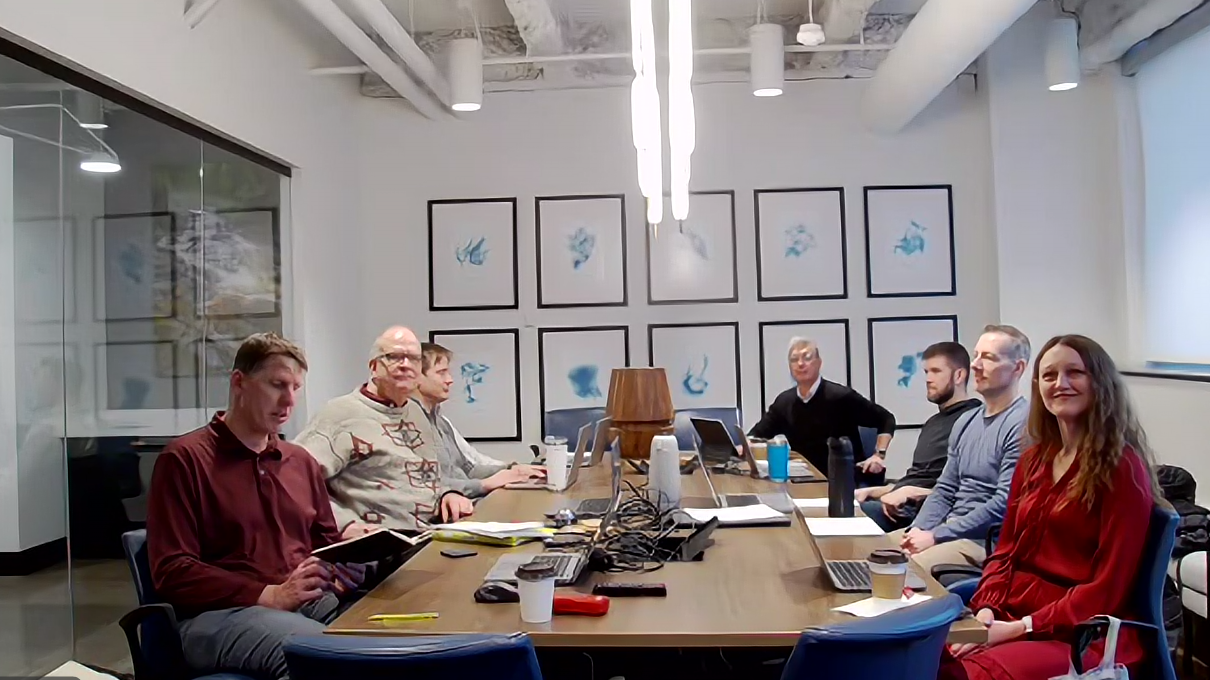
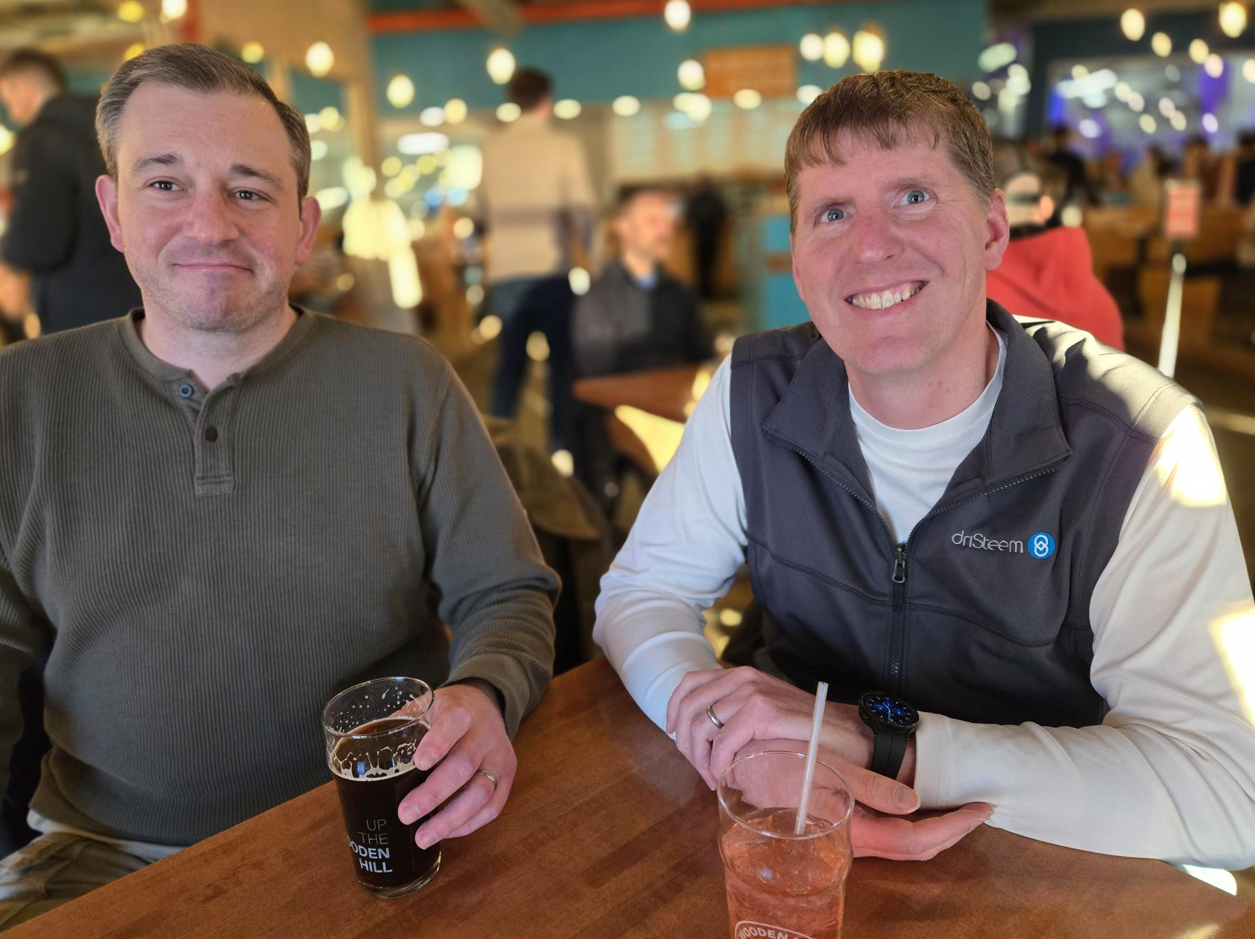
Techmasters is for working on improvement in speech and leadership but we do take time to enjoy life also. All work and no play makes Jack a dull boy! On Friday, February 6, a group of us met at Wooden Hill Brewing in Edina for chat, drinks, and chow. We strive for quality in our work and good times in our recreation.
Imagine you’re handed a pile of bricks, lumber, and nails—no blueprint, no plan, no guidance—and told, “Build me a fortress that will stand for centuries.” You start stacking bricks, hammering boards. You hope your walls are straight, your gates secure, your ramparts high enough to repel invaders. You pray you remember every measurement, every joist placement, every bolt torque.
That… is how most organizations still build their cloud environments today. We hammer in security rules by hand. We patch servers one by one. We scramble to recover from failures without a guide. And when disaster strikes, the walls collapse like a house of cards.
Now, picture a different scene: You stand at your keyboard, you click run—and lines of code that you defined every server, every network, every firewall rule start running. You press Deploy, and in minutes your fortress rises, identical in every test environment, every region, every time. No guesswork. No finger-crossing.
-
Consistency in Every wall is laid true to the requirements and design.
-
Secured Every gate is reinforced with best practices and security guidlines in mind
-
Every tower has a lifeline (backups and DR).
Your environment is no longer a fragile assembly of one-off changes. It is a living artifact, defined in Code, versioned in Git, peer-reviewed, tested like your application code.
Why You Can’t Afford to Wait
-
Human Error becomes a myth: No more fat-fingered deletions or midnight firefights.
-
Configuration Drift is dead: What you tested in staging is exactly what runs in production.
-
Recovery is an automated heartbeat: Spin up the exact replica of your world in another region in minutes.
-
Compliance & Audit happen by default: Every change is a pull request you can trace, review, and rollback.
-
Cost Control is built-in: Tear down ephemeral environments the moment you’re done with them—no more orphaned servers quietly burning your budget.
This isn’t a “nice to have.” It’s the difference between surviving the next storm or watching your walls crumble.
The Forge: Tools of the Trade
-
ARM Templates & Bicep: Native Azure blueprints with first-class support and modularity.
-
Terraform: Multi-cloud sorcery that speaks the language of AWS, GCP, and Azure alike.
-
Pulumi: Write your infrastructure in C#, TypeScript, or Python—turn your Dev skills directly into cloud metal.
Each of these is your blacksmith’s hammer, your crucible for shaping resilient infrastructure.
Call to Action — Five Minutes to Build Your First Wall
I’m asking for five minutes—a small investment for a giant leap in reliability. In five minutes, I’ll show you how to:
-
Define a simple network, a VM, and a load balancer in code.
-
Deploy it repeatedly, in any region, with zero manual steps.
-
Tear it down when you’re done, so you only pay for what you use.
By the end of that demo, you’ll see how IaC transforms your cloud from a labyrinth of one-off scripts into a codified, battle-tested fortress.
The choice is yours
You can keep building with mortar and guesswork. You can cross your fingers and hope nothing breaks. Or… you can forge your infrastructure in code, version it, test it, and trust it to stand against any siege.
Which would you rather have—sandcastles or stone fortresses?
Five minutes is all it takes. Let me show you the blacksmith’s forge. Let’s build something that lasts.
I recommended a video by Julie Ng, who has a blog and a video thing on YouTube you can subscribe to that provides some great information about containerization, kubernetes and Azure. The video is CI/CD Review - How DevOps in Real Life & Mature Organizations works | Julie Ng
Here's some tools and links from Julie's talk
- Automatic Versioning https://npmjs.com/package/standard-version
- Git Branching strategies
 I was watching the movie "The Right Stuff" over the holiday week and was impressed by how far we've come in terms of technology and using it to help us accomplish amazing things. From the story of Chuck Yeager chasing the demon in the sky limit of Mach 1 in the Bell-X1 to how they developed the Mercury project to launch space exploration, I loved seeing how the people and technology were used to make it possible. Of course there were mistakes, but without trying how do you learn?
Doing things right is a mindset that is a requirement if you want to get in the game anymore. It's no longer good enough to think we can just show up and get paid, we have to provide value. The value of being willing and able to make decisions and try the impossible, by reaching for the sky we don't come up with a handful of mud. But is doing enough?
Doing Things Right
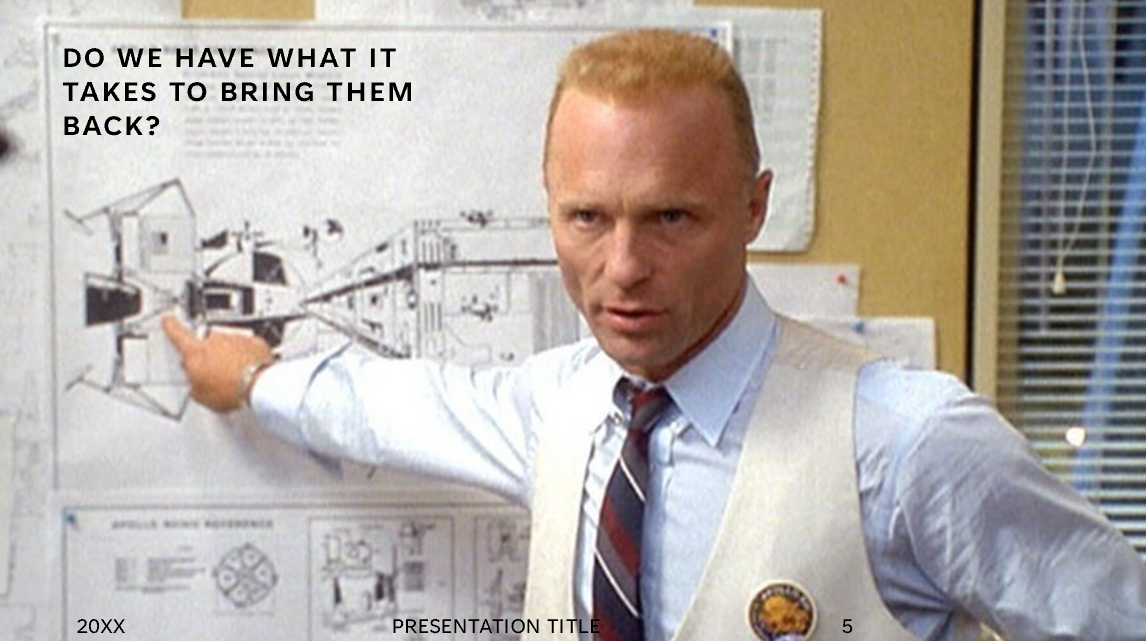 In the movie Apollo 13 we see Tom Hanks play Jim Lovell as the commander of the crew that experiences what can go wrong, and we see how the team responds to see if they have what it takes to bring them home. The challenge comes when one of the oxygen tanks malfunctions and damanges the return ship on their way to the moon. The drama plays out, but ultimately by thinking outside the box the team on earth comes up with ways to repair enough of the damage to bring them home.
Doing things right means having the right people in the right places there when you need them. Knowledge of what's possible, how to do things, what tools work for which jobs, all of these are important. Knowing how and when to combine the ingredients are what separates the star baker of the week from the one who gets voted off the island. It might mean finding someone who's done it before and knows the things to avoid. Doing things right is a whole lot easier than doing it poorly and doing it again and again.
For example, in the work that I do we're talking about containers and infrastructure and cloud. It is important to understand Docker and Kubernetes, as well as DevOps and Infrastructure as Code options like Terraform or Bicep. Doing things right means combining these tools to develop and deliver solutions where we follow sound project management practices. Whenever I come across a new project there's good questions to ask so you can get an idea of where things are at.
But Because you Can Doesn't Mean You Should

With that said, does the use of these tools and technologies mean success? Should we use containers and DotNet Core with WebAPI's? Should we use Agile and 2 week sprints with daily scrum meetings? We are putting together a team and it's going to go in and solve the challenge and keep the world safe for technology!
Sometimes we immediately prescribe an answer, using our best practices and ensuring we're using the right stuff to deliver value, but we fail to hear the requirements and understand the lay of the land. We kick off the project and by hook or by crook we drive the daily scrums and manage the sprints and work like crazy. We dedicate ourselves to the task at hand and make sure everyone participates. We deliver our solution, then realize it solves the wrong problem.
Do the Right Things
We fail to ask the right questions, so we end up doing the wrong things. Who is our team, and what is their experience? How much learning do we need to do to bring people up to speed? What is the timeline and who is the audience? The consultant's answer is it depends. Who do you ask? What is the vision and how is it related to the mission we're working on? Based on this are we ready to move on to new tools and technologies? Are we ready to make smart decisions that fit the reality we are in?
As 2023 starts out it's apparent to me that we need to make time to reflect and give some space to think before we act. Doing is good, but sometimes not doing or doing something else is better.
This week in Las Vegas at the Agile DevOps West conference I'm presenting the session Permit to Cloud - Land with Confidence in Azure!
We'll talk about a lot fo things, but the goal is to provide an introduction to how to get started with Azure in a way that will help ensure continued success in taking advantage of the promises the cloud offers. For the code and demos I've published them to https://github.com/benkotips/askdad - Check it out!
Guess What? In person events are a thing again, and I'm back on the road. It's great to be back to St. Louis, this week I'm delivering sessions at DevUp on how to work with Azure and Infrastructure as Code topics.
- Permit to Cloud : Land with Confidence in Azure
- Cosmos DB Performance Tuning
- Infrastructure as Code Bake-off : Comparing ARM, Bicep, Terraform and Pulumi
The link to the code is on GitHub at https://github.com/mbenko/du22-ptc - Check it out!
-
AI and Dev Tools: Where's my Stuff?
@MikeBenkovich - 10/14/2026
-
Glenn Leifheit from TechMasters at TEDx
@MikeBenkovich - 8/26/2026
-
MinneBAR 2026
@MikeBenkovich - 5/5/2026
-
Serenity Now!
@MikeBenkovich - 2/10/2026
-
Get Together
@MikeBenkovich - 2/10/2026
-
A World without Blueprints
@MikeBenkovich - 4/29/2025
-
Reviewing Julie Ng's CI/CD Checklist
@MikeBenkovich - 8/7/2023
-
The Right Things
@MikeBenkovich - 1/5/2023
-
Agile DevOps West 2022
@MikeBenkovich - 6/16/2022
-
DevUp 2022
@MikeBenkovich - 6/8/2022
-
Azure Office Hour Fridays
@MikeBenkovich - 5/4/2021
-
Using Cosmos DB for my Blog
@MikeBenkovich - 4/30/2021
-
Pi Day thoughts
@MikeBenkovich - 3/15/2021
-
Sharing References
@MikeBenkovich - 3/11/2021
-
Features I'd like to see
@imatest - 3/10/2021
-
Speechcraft!
@MikeBenkovich - 3/9/2021
-
Hello World!
@TM - 3/9/2021
-
Thinking about Messages
@MikeBenkovich - 3/9/2021
-
Hello World!
@msdn - 3/8/2021
-
Adding Avatars
@MikeBenkovich - 2/28/2021
-
Minnetonka has Momentum!
@MikeBenkovich - 2/21/2021
-
Love the Site
@mavis - 2/20/2021
-
TMAD and the Technical Interview
@MikeBenkovich - 2/15/2021
-
Permit to cloud
@imatest - 2/15/2021
-
Sticky Minds post
@imatest - 2/15/2021
-
5 Minutes to Code
@MikeBenkovich - 2/15/2020
-
Thank you Microsoft - MVP 2019-20
@MikeBenkovich - 8/1/2019
-
Visual Studio 2019 Launch Event - MSP
@MikeBenkovich - 4/1/2019
-
TechMasters After Dark and the Technical Interview
@MikeBenkovich - 2/10/2019
-
This year at Build 2018 - Azure for Enterprise Developers
@MikeBenkovich - 5/5/2018
-
Deploying a Shared Dashboard in Azure
@MikeBenkovich - 4/26/2018
-
Azure for the Enterprise Developer
@MikeBenkovich - 4/25/2018
-
How to record a UI Test on Android with Xamarin tools
@MikeBenkovich - 7/10/2017
-
rebuild17 Resources
@MikeBenkovich - 5/29/2017
-
Re-BUILD 2017, bringing the best of BUILD conference to cities near you
@MikeBenkovich - 5/14/2017
-
Temporary Post Used For Theme Detection (5a4bc502-4949-4ece-928e-0c48759d9d6e - 3bfe001a-32de-4114-a6b4-4005b770f6d7)
@MikeBenkovich - 3/24/2017
-
Announcing Visual Studio 2017 Best of Launch Events
@MikeBenkovich - 3/23/2017
-
VS 2017 Launch Live Notes
@MikeBenkovich - 3/7/2017
-
Adding HockeyApp feedback for Android to a Xamarin Forms app
@MikeBenkovich - 8/20/2016
-
Playing with MSFT Mobile DevOps story end to end
@MikeBenkovich - 7/21/2016
-
Hello KCDC!
@MikeBenkovich - 6/24/2016
-
KCDC 2016–Session info
@MikeBenkovich - 6/24/2016
-
Open Source North 2016
@MikeBenkovich - 6/9/2016
-
Global Azure Bootcamp 2016
@MikeBenkovich - 4/20/2016
-
Check out Open Live Writer
@MikeBenkovich - 4/19/2016
-
TechMasters Captures the Elusive Guilded Gavel
@MikeBenkovich - 2/18/2016
-
Test Again
@MikeBenkovich - 2/11/2016
-
Welcome to BlogEngine.NET using Microsoft SQL Server
@MikeBenkovich - 2/11/2016
-
New Post 3
@MikeBenkovich - 2/11/2016
-
Using BlogEngine.NET
@MikeBenkovich - 2/11/2016
-
TechMasters Captured the Elusive Gilded Gavel!
@MikeBenkovich - 2/6/2016
-
Announcing TechMasters After Dark: Parliamentary Procedure in Action
@MikeBenkovich - 2/2/2016
-
Get Azure Tools 2.7 for some great new features including the new Cloud Explorer
@MikeBenkovich - 8/20/2015
-
New Leadership Team!
@MikeBenkovich - 7/14/2015
-
Issue with Xamarin Forms - InitializeComponent does not exist - Xamarin XAML is not Windows XAML
@MikeBenkovich - 2/2/2015
-
Setting a schema for the database in Azure Mobile Services
@MikeBenkovich - 1/12/2015
-
Some Common Xamarin.Forms XAML Control Properties
@MikeBenkovich - 12/28/2014
-
Working with Xamarin Forms and Navigation
@MikeBenkovich - 12/16/2014
-
CloudTip 15-Avoid a gotcha in naming projects with Mobile Services
@MikeBenkovich - 12/15/2014
-
How to detect an iOS device when working with Xamarin and Visual Studio
@MikeBenkovich - 12/2/2014
-
Email Exploit No.9 You got Voicemail
@MikeBenkovich - 9/8/2014
-
Avoiding Hacker Trix
@MikeBenkovich - 8/19/2014
-
Upgrading to Developer Preview of Windows Phone 8.1
@MikeBenkovich - 4/13/2014
-
Did you know…
@MikeBenkovich - 4/12/2014
-
CloudTip #17-Build Connected Windows 8 Apps with Windows Azure
@MikeBenkovich - 7/10/2012
-
Did you see Windows Phone 8 Preview?
@MikeBenkovich - 6/20/2012
-
CloudTip #16-Meet the new HTML based Windows Azure Management Portal
@MikeBenkovich - 6/7/2012
-
How to install Win 8 Release Preview from an ISO image
@MikeBenkovich - 5/30/2012
-
CloudTip #15-MEET Windows Azure
@MikeBenkovich - 5/20/2012
-
CloudTip #14-How do I get SQL Profiler info from SQL Azure?
@MikeBenkovich - 5/18/2012
-
CloudTip #13-What do you need to know to get started?
@MikeBenkovich - 5/17/2012
-
Easy Money
@MikeBenkovich - 5/10/2012
-
Get your App into the Windows 8 Store!
@MikeBenkovich - 5/8/2012
-
Cloud Tip #12-Get Started with SQL Azure
@MikeBenkovich - 4/27/2012
-
Cloud Tip #11-Activate your MSDN Benefits
@MikeBenkovich - 4/18/2012
-
Cloud Tip#10-Use the Windows Azure Toolkit for Windows 8 to add interaction to your Metro Applications
@MikeBenkovich - 4/17/2012
-
Cloud Tip #9-Add Microsoft.IdentityModel to the GAC with a Startup Task
@MikeBenkovich - 4/7/2012
-
Cloud Tip #8-Using ACS without SSL
@MikeBenkovich - 4/6/2012
-
Cloud Tip #7-Configuring your firewall at work for cloud development
@MikeBenkovich - 4/5/2012
-
Cloud Tip #6-Encrypting the web.config with Visual Basic
@MikeBenkovich - 4/3/2012
-
Cloud Tip #5-Secure your settings in Web.config with Encryption
@MikeBenkovich - 4/2/2012
-
Cloud Tip #4-How to migrate an existing ASP.NET App to the Cloud
@MikeBenkovich - 4/1/2012
-
Cloud Tip #3–Find good examples
@MikeBenkovich - 3/31/2012
-
Cloud Tip #2–Finding Cloud Content that works for You
@MikeBenkovich - 3/29/2012
-
Cloud Tip #1–How to set a connection string in Web.config programmatically at runtime in Windows Azure
@MikeBenkovich - 3/27/2012
-
Questions on Tuning SQL Queries
@MikeBenkovich - 3/14/2012
-
Announcing Windows Azure Kick Start Events
@MikeBenkovich - 3/12/2012
-
Get Started with Cloud Computing and Windows Azure
@MikeBenkovich - 3/4/2012
-
New Webcast Series–Cloud Computing Soup to Nuts
@MikeBenkovich - 1/31/2012
-
Which way?
@MikeBenkovich - 7/2/2004
-
Starting out
@MikeBenkovich - 6/16/2004